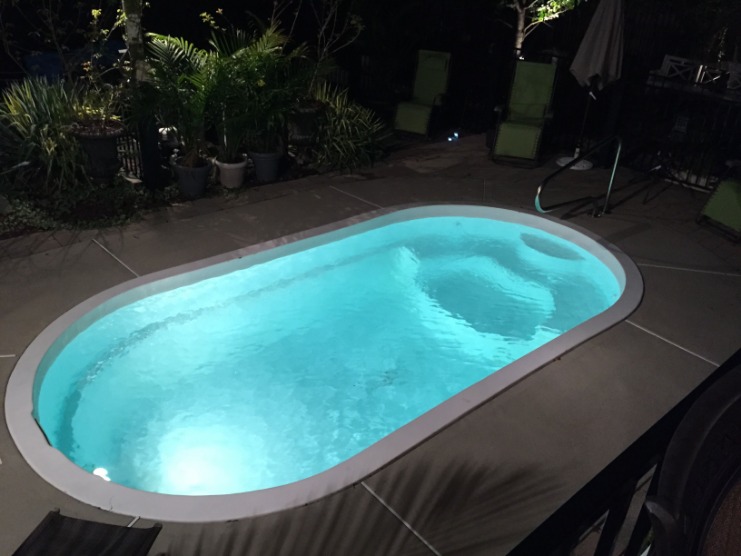
Pools in the Valley of the Sun work overtime. Sun-baked summers, sudden monsoons, and mineral-heavy water create a perfect storm for algae, scale, and cloudy water. With a smart plan tailored to desert conditions, a backyard oasis can stay crystal-clear, comfortable, and safe. The right combination of chemistry control, equipment care, and vigilant Pool Cleaning keeps trouble at bay while protecting surfaces and gear from costly damage.
Why the Phoenix Climate Demands a Different Approach to Pool Maintenance
Extreme heat, intense UV exposure, dust-laden winds, and hard water make Phoenix a unique environment for pool care. High temperatures accelerate chlorine consumption and increase the metabolic rate of algae. Powerful UV rays strip sanitizer faster than in cooler regions, especially when cyanuric acid levels are off. This is why vigilant, locally tuned routines—true Pool Maintenance Phoenix—are built around consistent testing, proactive balancing, and watching how water behaves across changing seasons.
The water itself is different here. Phoenix tap water often carries elevated calcium hardness, which rises further as evaporation concentrates minerals in the pool. Over time, this pushes the Langelier Saturation Index toward scale formation, causing a stubborn white line at the waterline, cloudy water, and crusting inside heaters and salt cells. Regular brushing and correctly managed pH and alkalinity help, but most pools also benefit from periodic sequestrant use, filter cleanings, and partial water exchanges to reset hardness and cyanuric acid. Without these measures, tiles etch, plaster dulls, and heater efficiency drops.
Then there’s the monsoon factor. Dust and debris from haboobs flood the water with organics and phosphates, fueling algae blooms if sanitizer and filtration aren’t ready. A seasoned Phoenix Pool Cleaning Service anticipates these spikes: filter media is prepped, pump run times adjusted, and enzyme or phosphate treatments scheduled before peak storm periods. Smart timing is everything—running variable-speed pumps longer during the hottest months disperses sanitizer evenly and improves skimming. In winter, run times can be trimmed, but circulation must still protect from cold snaps and maintain clarity.
UV exposure and swimmer load also demand attention to stabilizer levels. For chlorine pools, a typical 30–50 ppm cyanuric acid target works; for saltwater systems, 60–80 ppm often stabilizes sanitizer loss. Straying too high, however, reduces chlorine’s effectiveness and forces ever-higher dosing. That’s why desert pools benefit from regular testing and a “little and often” approach—a precision strategy that aligns with the rhythm of Phoenix’s climate and prevents avoidable problems before they bloom.
The Weekly Service Blueprint: Tasks, Timing, and Pro Tips
Weekly care under desert sun is both schedule and science. It begins with water testing and balancing: pH ideally at 7.4–7.6, total alkalinity around 80–120 ppm (tailored to pool finish and sanitizer system), calcium hardness typically maintained 250–400 ppm, and chlorine matched to stabilizer levels. Summer often calls for a higher free chlorine target and strategic shocking after heavy bather use or storms. Consider borates (30–50 ppm) as a supplemental buffer that steadies pH, softens water feel, and improves clarity while reducing acid and chlorine demand.
Brushing is non-negotiable. Agitate steps, benches, and the waterline tile weekly to prevent biofilm formation and keep dust from embedding. Vacuum floors after skimming, then empty skimmer and pump baskets. Check filter pressure; a 20–25% rise from clean baseline signals it’s time to clean or backwash. For cartridge filters, deep clean 2–4 times per year; for DE and sand, schedule seasonal maintenance and media refresh as needed. Salt cells require inspection and descaling to avoid performance dips caused by mineral buildup—more common in hard-water Phoenix pools.
Circulation and run times shift with the seasons. In peak summer, many Phoenix pools run variable-speed pumps 10–18 hours daily at efficient RPMs to keep sanitizer evenly distributed and improve skimming while staying energy-smart. Adjust schedules to off-peak utility windows where possible. Equipment checks matter just as much: o-rings lubricated, lids sealed, valves exercised, and automation settings verified. A quick water-level scan catches evaporation losses—autofills help, but keep an eye out for overshooting or signs of leaks.
Integrating a professional partner simplifies the routine and adds accountability. An experienced team brings calibrated testing, supply efficiency, and storm-season readiness. For hands-off reliability and consistent results, Phoenix Weekly Pool Service streamlines tasks like chemical delivery, expert diagnostics, and proactive scale management. Regular documentation, photo logs, and trend tracking turn guesswork into predictable performance, extending surface life, improving swimmer comfort, and guarding against surprise repairs.
Real-World Phoenix Scenarios: From Green to Pristine and From Scale to Shine
Case Study: Post-Monsoon Algae Turnaround. After a late-summer haboob, a central Phoenix homeowner found pea-green water by morning. The combination of blown-in organics, phosphates, and a short pump schedule overwhelmed sanitizer reserves. The fix involved a three-pronged plan: a phosphate treatment to starve algae fuel, a high-dose liquid chlorine shock aligned with stabilizer levels, and an extended pump run at efficient RPMs for 48 hours. Aggressive brushing broke biofilms, and a cartridge filter clean removed the particulate surge. Within 72 hours, water was clear and test results stable. Ongoing Weekly Pool Service locked in the gains with pre-storm prep, seasonal filter maintenance, and a dialed-in run schedule.
Case Study: Waterline Scale and Salt Cell Efficiency. A North Phoenix saltwater pool struggled with a stubborn white crust at the tile line and frequent low-salt alerts. Testing showed high calcium hardness and drifting pH. The solution combined partial water replacement to reset hardness, targeted pH control with a revised acid dosing routine, and a cell soak to remove scale. A mild sequestering agent was introduced and renewed monthly during peak evaporation. Tile line scale was addressed with careful bead blasting and follow-up brushing. Result: clearer water, improved salt cell output at lower duty cycles, and reduced heater strain—proof that Pool Maintenance tuned to hardness trends pays off.
Case Study: Cloudy Water from Sunscreen and Party Load. A weekend gathering in Arcadia left the pool cloudy despite adequate chlorine. The culprit was a surge of lotions and organics that overwhelmed filtration. Enzymes were added to break down oils, a clarifier flocced fine particles for vacuum-to-waste removal, and filter cartridges were deep-cleaned. Adjusted pump scheduling and a small increase in sanitizer target stabilized clarity. This illustrates how diligent Pool Service, supported by specialty treatments, can quickly restore sparkle after heavy use without over-chlorination or guesswork.
Seasonal Tactics for Phoenix Success. In spring, calibrate automation and validate chemistry baselines before the first heat wave. Summer strategies emphasize extended circulation, precise stabilizer management, and weekly brushing vigilance. During monsoon season, preemptive phosphate and enzyme dosing, plus clean filters, help the system digest storm debris. Fall often calls for partial drains to reset calcium and cyanuric acid. Winter shifts to shorter run times with freeze protection readiness and continued brushing to prevent dust film. Partnering with a knowledgeable Phoenix Pool Service team reduces chemical waste, curbs scaling, and preserves finishes—turning an exposed desert basin into a consistently inviting retreat year-round.