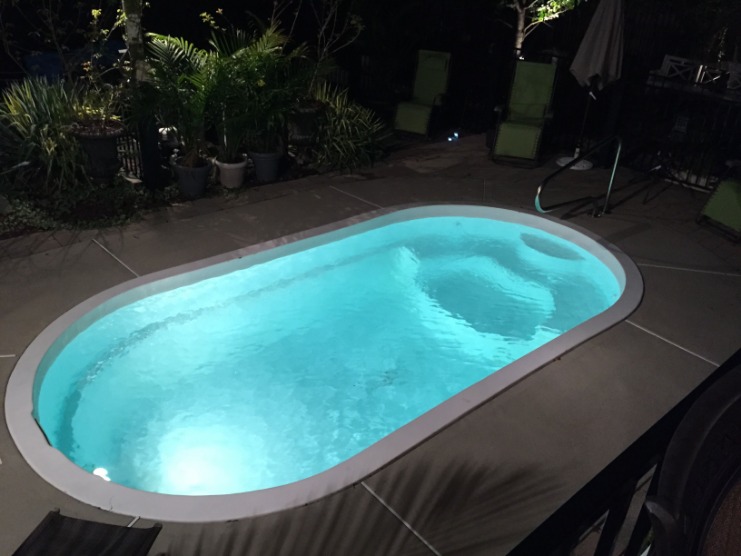
A backyard pool transforms a home into a private oasis, a place for morning laps, weekend gatherings, and the joyful shrieks of children on a hot summer day. Yet beneath that sparkling surface lies a responsibility that no homeowner can afford to ignore. Every year, accidental drownings shatter families, and the majority of these tragedies happen in residential pools during brief lapses in supervision. A sturdy, well-designed barrier is not an accessory—it is the cornerstone of a layered safety strategy. Understanding the depth of protection a high-quality swimming pool fence provides will change the way you look at your outdoor space, turning it from a potential risk into a truly secure retreat.
Debunking the Myths: What a Real Swimming Pool Fence Actually Does
Many people still view a pool fence as an aesthetic afterthought, something that exists only to satisfy a building inspector’s checklist. The reality is far more profound. A swimming pool fence functions as an active, 24/7 guardian that doesn’t get distracted by a phone call, a doorbell, or a quick trip indoors. Unlike pool covers or alarms, which rely on human activation or consistent maintenance, a properly installed physical barrier works passively, creating a defined boundary that children and pets cannot easily bypass. The science of child development tells us that toddlers are curious explorers with no real understanding of hazard. Their bodies are top-heavy, their coordination is still emerging, and they gravitate toward shimmering water without any concept of danger. A fence breaks that direct path, buying you the irreplaceable currency of time.
It is critical to understand that not all barriers offer the same level of security. The most effective modern solution involves a removable mesh pool fence, which combines industrial strength with a transparency that parents love. Unlike wrought iron or wood, which can create a visual fortress, mesh panels allow you to see through to the water while maintaining a climb-resistant surface. The vertical pickets are spaced closely enough to prevent a small child from squeezing through, yet they offer no horizontal rails that could be used as a ladder. This design philosophy stems from decades of injury data and engineering. What you’re really buying when you invest in a superior swimming pool fence is a system that accounts for the unpredictable nature of children’s behavior. It’s a structure engineered to outsmart a two-year-old’s ingenuity.
Furthermore, the psychological comfort a fence provides cannot be overstated. When you host a barbecue or a family gathering, you cannot physically watch the water every second. A barrier shifts the dynamic from constant anxiety to manageable attention. You know that the pool area is isolated unless an adult deliberately opens a gate. This peace of mind extends to nighttime as well, when darkness makes the water especially hazardous. The fence stands as a silent sentinel, ensuring that a sleepwalking child, a curious pet, or an uninvited neighborhood visitor never encounters the water unsupervised. In the conversation about pool ownership, a physical barrier is the only measure that directly separates the living environment from the aquatic environment, and that separation is everything.
The Anatomy of a Fail-Safe Barrier: Features That Cannot Be Overlooked
When you begin evaluating a swimming pool fence, the sheer number of options can be overwhelming. However, diving into the technical specifications reveals a clear line between a decorative border and a genuine safety device. The material you choose matters enormously. While iron and glass have their applications, the gold standard for child safety has become a tightly woven, weather-resistant mesh fabric. This material stands up to harsh UV rays, chlorine splash-out, and relentless temperature swings without warping, rusting, or deteriorating. Crucially, quality mesh panels are tensioned in such a way that they cannot be easily pushed aside, and the weave is too fine for little fingers or paws to get a purchase for climbing. The grid pattern preserves the view of your pool’s shimmering water, ensuring your backyard doesn’t feel like a cage.
Equally as important as the panels themselves is the hardware that secures them. The poles that anchor a removable swimming pool fence must be set with precision, typically in pre-drilled sleeves that sit flush with the patio surface when the fence is taken down. This drill-and-sleeve method ensures the fence remains rigid when installed but leaves no tripping hazards when you want an open yard for an adult party. For those who cannot or prefer not to drill into their decking, innovative drill-free systems exist that use weighted bases or specialized clamping mechanisms while still meeting strict safety codes. Whichever method you choose, the connection between the pole and the deck must withstand substantial lateral force. A fence that wobbles or bends under pressure is a compromised barrier, not a safety solution.
Then there is the gate, which is the single most vulnerable point of any pool enclosure. The gate must be self-closing and self-latching, meaning it automatically swings shut and locks the moment a hand releases it. No manual click, no forgetting. The latch itself should be placed high enough that a small child cannot reach it even on tiptoes, and a key-locking mechanism adds an extra layer when adults are away. The height of the entire structure is equally non-negotiable. Residential codes often cite a minimum, but safety-conscious homeowners routinely exceed it, opting for fences that tower over a toddler’s maximum reach. The bottom gap, too, must be minimized—no more than an inch or two—so that a crawling infant cannot slither underneath. These specifications are not arbitrary. They are born from real-world investigations into how accidents happen, and they represent the difference between a false sense of security and truly reliable protection.
Tailoring Your Defense: Installation, Local Codes, and Long-Term Confidence
A swimming pool fence is not a one-size-fits-all purchase; it must be carefully mapped to your property’s unique geometry, landscaping, and the specific ways your family uses the yard. For many homeowners, the biggest decision comes down to installation method. Professional installation by trained specialists ensures that every pole is perfectly aligned, every tensioning device is calibrated, and the fence is pulled to the correct tautness so that it can withstand a child’s body weight without deforming. Specialists also know how to navigate tricky terrain—curving retaining walls, uneven flagstone, or tight corners around waterfalls—while keeping all gaps within code. The result is a system that works out of the box and continues working for years. That said, a robust DIY option can serve the handy homeowner perfectly well, provided the product is designed for precise home measurement and ships with clear, foolproof instructions. The key is to avoid generic hardware store fencing not designed specifically as a pool safety barrier.
Local regulations will heavily influence your choices, and nowhere is this more critical than in regions with dense populations and a high number of residential pools. For example, cities and counties across Southern California enforce some of the nation’s strictest pool safety ordinances. In Los Angeles County, new pool construction and major renovations often require compliance with the California Pool Safety Act, which mandates specific barrier heights, self-latching gate placement, and climb-resistant zone rules. Homeowners in this region frequently turn to a professionally installed swimming pool fence that meets the ASTM F1908 standard, which is the benchmark for removable mesh pool fencing systems. By choosing a product that is ASTM-tested, you aren’t just guessing at safety; you’re verifying that an independent laboratory has simulated real-world stresses and certified the fence’s performance. Whether you live in a sprawling suburb or a compact urban lot, aligning your fence with these standards keeps your property legally compliant and your family safer.
Beyond the technical and legal aspects, you should think about how the fence will integrate into your daily life. A removable pool fence offers unparalleled flexibility. During the day when the pool is in active use, you might remove a section to create a clean sightline for a lifeguard chair. At night or in the off-season, you reinstall it in minutes to restore the barrier. Pet owners will also appreciate specialized reinforced pet fencing options that incorporate a heavier mesh and a bottom bar to stop determined dogs from pushing under. The fence becomes a tool that adapts to your needs rather than a permanent, rusting monument you learn to dislike. Maintenance is refreshingly simple: a mild soap and hose wash keep the mesh clean, and the stainless-steel components resist corrosion even in saltwater pool environments. This longevity means your one-time investment secures the space for the entire childhood of your kids and the lifespan of your pets. When you select a swimming pool fence that merges code compliance with thoughtful design, you are adding a layer of protection that stands guard silently every day, giving you the freedom to enjoy your backyard exactly as it was meant to be enjoyed—carefree, joyful, and safe.