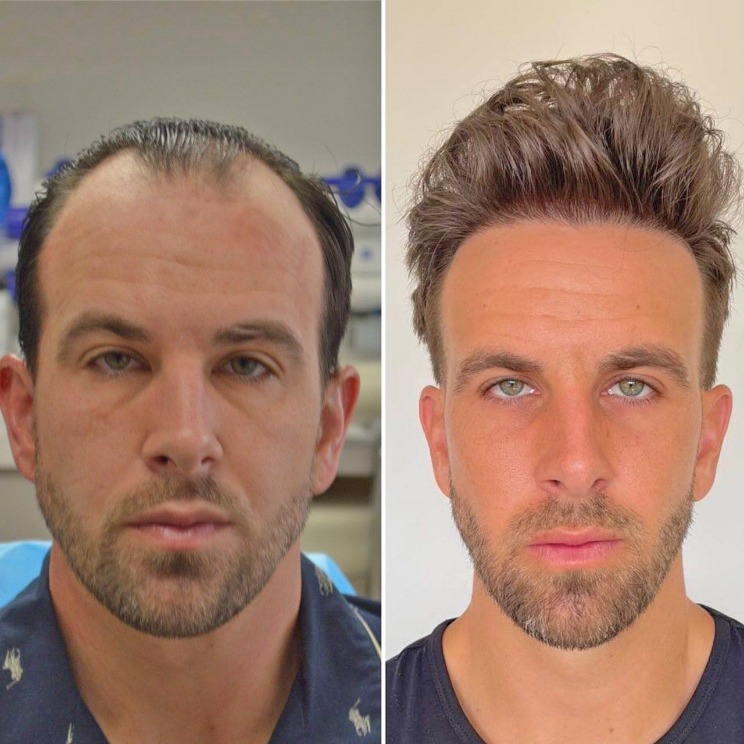
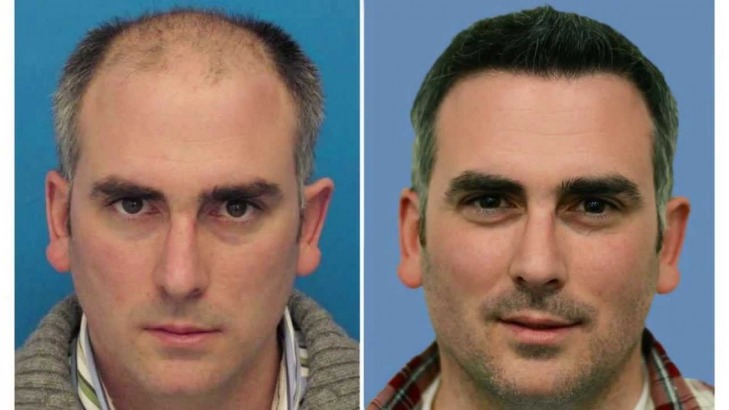
Receding hairlines and thinning crowns don’t just change how the mirror looks; they reshape confidence. London—especially the storied medical district of Harley Street—has become a beacon for anyone considering a modern hair transplant. From pioneering microsurgery to meticulous artistry, the city brings together world-class surgeons, advanced technology, and rigorous safety standards. Those aiming for a seamless, undetectable result will find that the right plan pairs science with aesthetics: safeguarding donor zones, designing age-appropriate hairlines, and prioritizing long-term density. Choosing carefully in this competitive landscape can mean the difference between average and exceptional outcomes, and the difference is often found in surgeon-led care, transparent processes, and realistic planning tailored to lifelong hair health.
Harley Street’s Edge: Why London Sets the Standard for Natural Hairlines and Donor Preservation
Harley Street’s reputation is built on more than its historic address. It’s a tightly knit ecosystem of experienced surgeons, skilled technicians, and clinical teams who see hair restoration as much a precision discipline as it is an art. Clinics here typically emphasize surgeon involvement at every critical stage—planning, anesthesia, incisions, and quality control—rather than delegating complex steps entirely to technicians. For patients, this often translates to thoughtful hairline design that respects facial proportions, ethnicity, and future hair loss patterns. It’s not just about placing grafts; it’s about crafting a natural frame for the face while protecting the donor region for decades to come.
During consultations on Harley Street, assessments usually go deeper than “how many grafts?” Surgeons measure donor density (follicular units per square centimeter), hair shaft caliber, curl, and miniaturization to project future coverage. They’ll look at short- and long-term priorities: is the goal to rebuild a mature hairline, boost mid-scalp density, address a stubborn crown, or blend multiple zones over staged procedures? A sound plan factors in the patient’s age, family history, and the realities of progressive hair loss, often integrating medical therapies to stabilize future thinning. This holistic approach is one reason many travelers consider hair transplant london options when they want predictable, natural-looking outcomes.
Facilities in this district are typically regulated, audited, and equipped for sterile microsurgery, with attention to graft survival at each step: gentle extraction, minimal out-of-body time, chilled storage solutions, and precise placement to match natural angles and directions. Whether it’s FUE or FUT, the focus is on maximizing yield while minimizing scarring, shock loss, and downtime. Post-operative pathways are structured too—follow-ups, care instructions, and photo documentation help ensure the result unfolds as planned. When searching for a hair transplant uk provider, Harley Street’s environment offers a template for quality: surgeon-led care, uncompromising safety, and a measured commitment to aesthetic realism over fleeting social media trends.
Techniques, Candidacy, and What “Best” Really Means in London’s Hair Transplant Scene
Modern hair restoration centers around two core surgical methods. Follicular Unit Extraction (FUE) removes grafts individually from the donor area, leaving tiny dot scars dispersed across the scalp. It’s favored for its minimally invasive profile and flexible hairstyles, including fades—especially when extraction is conservative and evenly distributed. Follicular Unit Transplantation (FUT), by contrast, removes a thin strip of scalp and microscopically dissects follicular units, often delivering robust yields for extensive loss but with a linear scar hidden under surrounding hair. Some clinics also offer direct-hair-implantation approaches and long-hair FUE for planning with visible length. The technique that’s “best” is the one that fits a patient’s anatomy, goals, and long-term donor strategy.
Candidacy hinges on the balance between current hair loss and donor supply. Surgeons evaluate the scalp using trichoscopy to gauge miniaturization and hair quality, estimate grafts needed by zone, and project the patient’s trajectory on scales like Norwood for men or Ludwig for women. The aim is to restore visible density where it matters most, without overspending donor reserves in early years. Fine hair may require more grafts per square centimeter than coarse hair to achieve similar visual density. Curly or wavy hair can provide more coverage per graft but demands experienced handling to minimize transection during extraction. These nuances are why direct surgeon assessment remains central to ethical planning.
“Best” also means transparency. Clinics should disclose realistic timelines (shedding at weeks 2–3, sprouting by months 3–4, visible changes by month 6, and maturation through 12–18 months), unedited photographic evidence of results, and clear policies on aftercare and touch-ups. Price per graft matters, but so do survival rates, surgical oversight, and a clinic’s track record with repair cases, ethnic hair, and crowns—the hardest area to make look dense due to swirl patterns. When researching options, many patients start with hair transplant london resources to compare approaches, surgeon portfolios, and outcomes. In short, the “best” clinic is the one that matches technique and artistry to personal goals with uncompromising ethics.
Real-World Outcomes: Case Snapshots, Timelines, and What Influences the Final Look
Consider three common scenarios. A 31-year-old with a receding hairline and strong donor density seeks a conservative restoration. A plan calls for 1,800–2,200 FUE grafts focused on the frontal third, using finer single-hair grafts at the hairline and multi-hair units behind for bulk. The initial shed around week three can be unsettling, but by month four subtle sprouts appear. Months six to nine deliver a visible transformation, and by month twelve the hairline looks convincingly native. A well-judged design ensures the hairline remains age-appropriate at 40 and 50, sparing enough donor for future maintenance if hair loss progresses.
Another patient, 42, with diffuse thinning and a whorl-affected crown, might need staged work: 2,500–3,000 grafts to reinforce the mid-scalp and start the crown, followed by a second pass later. Crown restoration requires careful angulation to mimic the natural swirl; even with ample grafts, visual density can lag behind frontal results due to light reflection and hair direction. A surgeon may prioritize the mid-scalp and frontal transition first because these zones frame the face—yielding higher impact from the same number of grafts. This phased strategy protects the donor area, ensuring coverage can be maintained as hair naturally thins over time.
A third case involves a 29-year-old woman with a widened part and temporal thinning. Surgical candidacy depends on stable patterns, medical workups, and realistic density goals. If cleared, 1,400–1,800 grafts may subtly reduce scalp show without creating a “wig-like” look. Because female patterns are often diffuse, surgeons favor conservative graft distribution and emphasize medical stabilization. Across all cases, outcomes respond to meticulous graft handling and patient compliance: gentle washing after day three, avoiding scratching as scabs lift by days 7–10, refraining from high-intensity exercise or sun exposure initially, and following any recommended therapies to protect native hair.
The typical UK cost per graft might range across clinics, reflecting surgical time, team expertise, and technology. Lower quotes don’t always signal savings if graft survival is compromised or donor zones are overharvested, risking a “moth-eaten” look on short hairstyles. Quality clinics will map extraction zones to keep punch density low per area, rotate harvest regions, and document graft counts with intraoperative photos. Strong aftercare—regular follow-up, availability for concerns, and honest tracking of growth—signals professional integrity. For those seeking hair transplant harley street expertise or the best hair transplant london experience, the benchmark remains the same: surgeon-led planning, conservative donor stewardship, and results that look as if they were never transplanted at all.