What Modern Automatic Plant Watering Systems Deliver (And Why They Work)
Healthy plants need consistency, and that’s exactly what today’s automatic plant watering systems provide. Traditional hand-watering can be imprecise—too little moisture stresses roots, while too much suffocates them. Automating irrigation smooths out those extremes by combining predictable schedules with data-driven decisions. Whether feeding a single fiddle-leaf fig or an entire patio garden, automation reduces guesswork and helps match delivery to actual plant demand.
At the core, a robust system coordinates three pillars: distribution, timing, and feedback. Distribution covers the method—drip emitters, micro-sprayers, or sub-irrigation—so water gets to the root zone without waste. Timing governs how long and how often watering happens, usually via programmable controllers. Feedback can come from weather inputs, rain delays, or moisture sensors that adjust timing based on soil conditions. When these elements are tuned to plant type, container size, and climate, results are reliable and repeatable.
Connected controllers elevate the experience further. A rainpoint wifi water timer offers control from a phone and can sync with local weather to pause watering after rainfall or during cool, humid conditions. This pairing avoids the common trap of overwatering after a summer shower and prevents underwatering during sudden heat spikes. It also makes it simple to segment the landscape into zones—succulents need less frequent watering than tomatoes or annual flowers—so each group gets an optimized schedule.
For gardeners who travel, a connected timer becomes a dependable caretaker. With a baseline program set in advance, on-the-go adjustments can be made if a heatwave arrives or a storm rolls through. This tactic—automation backed by occasional remote fine-tuning—reduces plant stress and limits waste. Supported by a durable manifold and quality tubing, a rainpoint automatic watering system with drip irrigation can cut evaporation losses and prevent leaf wetness that encourages disease. Backflow prevention, filters, and pressure regulators ensure longevity and consistency, while seasonal presets make it easy to ramp down in shoulder seasons or prepare for dormancy.
Indoor Precision: Self-Watering Pots, Wicking Reservoirs, and Reliable Vacation Care
Houseplants thrive on routine, but indoor environments vary dramatically—bright windowsills, dry HVAC air, or shaded corners all shift water demand. A well-designed self watering system for indoor plants addresses these variations with capillary action and measured replenishment. In a typical self watering pot, a reservoir sits beneath the soil. A wick or contact layer transports moisture upward as the medium dries, maintaining an even, slightly moist profile while protecting against saturated roots.
This sub-irrigation principle works across sizes, from compact herb planters to large statement trees. Lightweight potting mixes with perlite or bark enhance capillary flow, while a fill indicator prevents overfilling. For users managing a collection of dozens of species, modular systems allow mixing and matching reservoir sizes or adding drip lines to thirstier plants. Calibrating each container’s refill frequency—based on leaf area, light intensity, and pot volume—ensures that a self watering system supports growth without encouraging fungus gnats or anaerobic pockets.
Timers and moisture sensors add a second layer of precision. A simple indoor controller can pulse small volumes to a series of plants at set intervals, refining what a passive self watering plant pot already offers. For those wondering how to water plants while on vacation, the playbook is clear: repot into appropriate containers with reservoirs, top off the water, apply a light mulch layer to reduce evaporation, and test the schedule at least a week before leaving. If a plant requires higher humidity—such as a Calathea—grouping with other plants and adding a pebble tray can complement sub-irrigation.
Tech-enabled convenience doesn’t replace good horticulture; it amplifies it. Consider species needs: cacti prefer deep, infrequent watering and gritty mixes; tropicals benefit from consistent moisture and airy substrates. An indoor plant watering system should reflect those preferences. Many gardeners pair passive systems for drought-tolerant species with micro-drip emitters for moisture-loving plants, all overseen by compact controllers. When assembled with quality tubing and secure fittings, indoor automation protects floors and furniture while keeping roots steady, lush, and resilient.
Outdoor Reliability: Zone-Based Drip, Water Savings, and Proven Real-World Setups
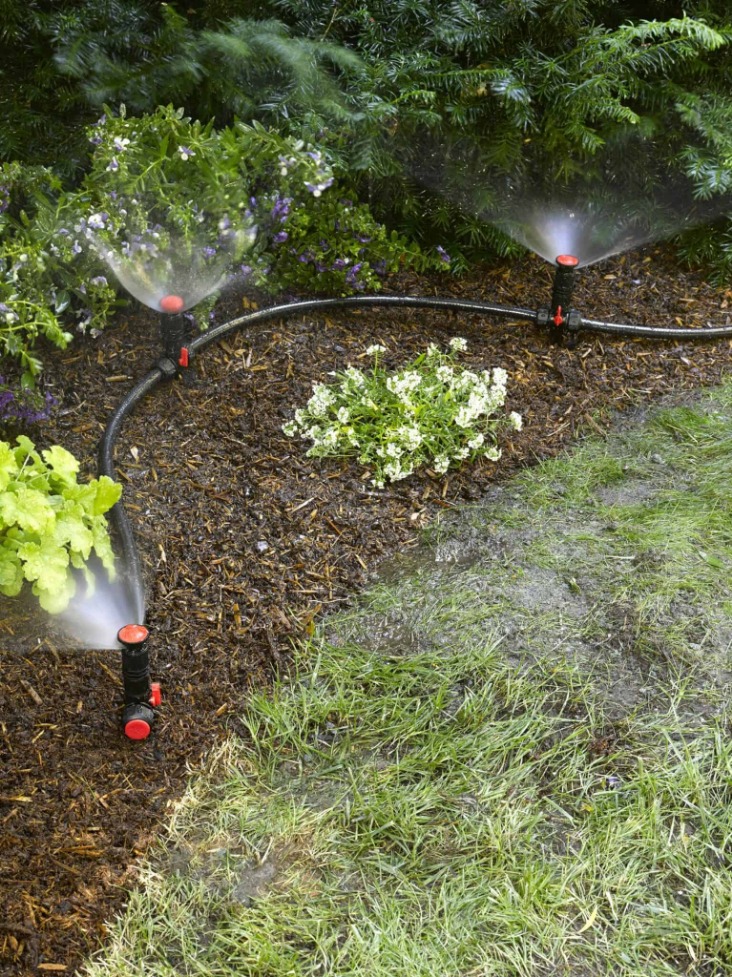
Outside, weather variability makes consistency harder—and more important. An automatic plant watering system outdoor excels by delivering water directly to the root zone while helping plants ride out heat and wind. Drip lines with pressure-compensating emitters maintain even flow across long runs, so the first plant in a row receives the same volume as the last. Micro-sprayers can supplement for groundcovers or new lawn patches, but drip remains the gold standard for containers, raised beds, and vegetable rows where precise dosing matters most.
Smart scheduling considers crop type, soil, and exposure. Raised beds dry faster than in-ground plots due to increased airflow; containers heat up and lose moisture even more quickly. A zoned controller lets each area run its own program—short, frequent pulses for shallow-rooted greens; deeper, less frequent soaks for tomatoes and shrubs. Rain delays and seasonal adjustments reduce waste, while flow monitoring helps diagnose leaks or clogged emitters. Integrating mulch around drip lines minimizes evaporation and stabilizes soil temperatures, which can reduce stress and improve nutrient uptake.
Case study: A balcony gardener with eight large planters installed a manifold and drip emitter at each pot. By selecting 1–2 gallon-per-hour emitters based on species and sun exposure, and running two short cycles at dawn, the setup cut runoff to near zero and eliminated midday wilt. Another example: A suburban raised-bed garden with two zones—herbs/greens and fruiting crops—paired a weather-aware controller with a weekly deep soak. The result was consistent yields and a 25–35% water savings compared to hose watering, largely due to reduced overspray and better infiltration.
Durability matters outdoors. UV-stable tubing, barbed fittings with clamps, and filters positioned before splitters keep systems reliable. Battery or solar support ensures continuity during outages, while quick-connects simplify seasonal teardown. For larger landscapes, a mainline with zone valves supports shrubs, perennial borders, and edible beds. With connected control—often central to a modern automatic plant waterer—daily checks become simple: verify schedules, glance at moisture or forecast data, and adjust as needed. The combination of targeted drip delivery and smart timing supports vigorous roots and lush canopies without the waste associated with traditional sprinklers.