What Defines a Modern Office Booth
An office booth is far more than a box with a door. It is a compact, purpose-built environment designed to deliver privacy, acoustic comfort, and reliable amenities wherever teams need them. In the era of open-plan layouts and hybrid schedules, these micro-environments fill a critical gap: the ability to switch instantly from a collaborative floor to a distraction-free zone for calls, deep work, or confidential conversations. The best booths balance sound isolation with user comfort, integrating ventilation, lighting, power, and data in a form factor that’s easy to position, relocate, and scale.
Acoustics sit at the heart of the category. High-performing booths employ multi-layer wall assemblies, acoustic foam, damping membranes, and strategically sealed joints to block and absorb speech frequencies that disrupt concentration. While ratings like STC or NIC tell part of the story, real-world performance depends on details: door seals that prevent leaks, a floor that decouples impact sound, and glass that tempers reflections. The goal is speech privacy, so someone outside hears muddy, unintelligible sound rather than clear words. Inside, finishes reduce flutter echo to keep voices natural and reduce fatigue on long calls.
Equally important is comfort. A well-designed unit includes quiet, continuous airflow—often via low-sone, counter-flow fans that exchange air multiple times per hour without creating a draft. Dimmable, glare-free lighting supports video calls, while adjustable desks, monitor mounts, and integrated cable management streamline setup. Thoughtful ergonomics matter, from seated phone pods to standing quick-call formats to roomy two-to-four-person meeting pods. Power delivery should be immediate and flexible: AC outlets for laptops, USB-C for fast charging, and routes for Ethernet where Wi‑Fi may be congested.
Finally, a modern booth respects the space around it. Modular construction, fire-aware materials, and a small footprint allow facilities teams to adapt quickly as headcount or workflows evolve. Look for durable laminates, tempered glass, and easy-to-clean surfaces that stand up to heavy rotation. Accessibility features—wide doors, threshold ramps, interior maneuvering clearance—ensure inclusive use. With these elements in place, the office booth becomes a resilient, future-ready component of the workplace toolkit.
Design, Acoustics, and Measurable Productivity Benefits
Open offices encourage collaboration, yet they introduce unpredictable noise that elevates cognitive load. The right booth counters this with targeted noise control and environmental stability that measurably boosts performance. By reducing speech intelligibility—a key driver of distraction—booths can improve reading comprehension, decrease task-switching, and shorten meeting durations. Teams gain back minutes per hour that compound into hours per week. For customer-facing roles, a controlled acoustic environment enhances call clarity and brand impression, particularly when paired with soft, absorptive finishes that tame sibilants and reduce voice strain.
Lighting and ventilation are silent partners in this boost. High color-rendering LEDs reduce eye strain and improve skin tones on camera, while tunable intensity supports focus during heads-down work and a warmer, welcoming ambiance during 1:1s. Ventilation strategies matter just as much; fresh air turnover mitigates the stuffiness common in basic enclosures, and whisper-quiet fans maintain the core promise of silence. Combine these with intuitive controls—occupancy sensors for lights and fans, automatic standby to conserve energy—and the user experience stays seamless.
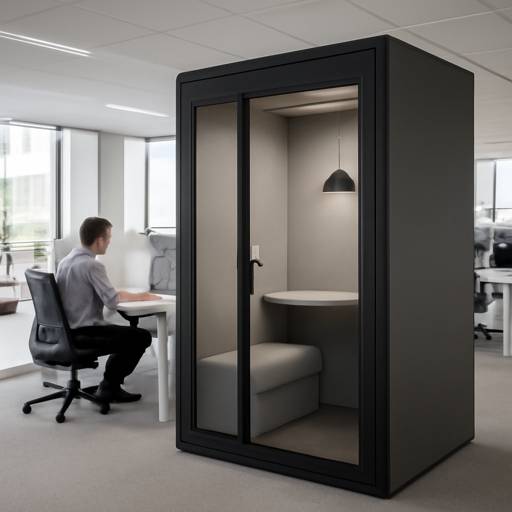
Build quality separates premium offerings from commodity boxes. Robust hinges and frames preserve acoustic seals over thousands of cycles, and double-laminated glass reduces resonance while preserving an open feel. Cable pass-throughs with brush grommets avoid sound leaks. These details not only enhance daily use but also protect investment value by reducing maintenance and preserving performance metrics over time. Brands that focus exclusively on this category, such as Cepheus with its premium office pods, demonstrate how specialization elevates the user experience end to end—from material selection and acoustic engineering to after-sales support and lifecycle upgrades. Explore how a purpose-built office booth can fit your floor plan, add immediate capacity for private work, and grow alongside changing hybrid patterns.
From a workplace strategy lens, booths introduce spatial elasticity: the ability to meet demand spikes for private spaces without expensive construction. When calendars overload conference rooms with 1–2 person calls, deploying multiple single-user pods rebalances utilization. Facilities teams gain modularity—shift pods nearer to sales pits during a product launch, then redistribute to engineering during sprints. Over time, occupancy data (from badges or sensors) informs evidence-based stacking plans and ensures the mix of solo, duo, and team pods aligns with real demand, not assumptions.
Use Cases, Deployment Tactics, and Real-World Wins
Consider a high-growth fintech with an open floor and six conference rooms that constantly ran over capacity. By installing four single-user booths and two small meeting pods near sales and customer success, the company cut conference room “monopolization” for simple calls by nearly half. The impact cascaded: fewer ad-hoc interruptions on the floor, faster resolution times, and cleaner calendars for complex meetings. A healthcare-insurance back office achieved similar gains by placing pods between claims and provider-relations teams—the zones with the most frequent sensitive calls—to contain PHI conversations and raise compliance confidence.
Universities and libraries apply the same principles for equitable access. Pods distribute quiet capacity into busy corridors and near group study zones, minimizing travel time and freeing enclosed rooms for larger groups. When sound masking is already in place, booths add a second layer of control by lowering intelligibility at the source. In retail and logistics, where managers balance floor presence with interviews and scheduling, compact booths offer a private hub without sacrificing visibility. Even in co-working, pods become a differentiator: members perceive higher value when reliable, on-demand privacy is baked into the membership tier.
Deployment succeeds when guided by data and a few field-tested rules. First, map “noise hotspots” and call-intensive zones; anchor booths within 10–15 seconds’ walk to make them the natural choice. Second, diversify formats: a ratio like 3:1:1 (three solo phone booths, one two-person pod, one small huddle) prevents mismatches where a single-user call ties up a larger room. Third, communicate norms—30–60 minute time blocks, clean-as-you-go surfaces, and soft-close doors—to reduce friction. Finally, maintain them like mission-critical gear: quarterly checks of seals, fans, and lighting keep performance high. Surfaces with antimicrobial properties or simply closed-edge laminates streamline wipe-downs between uses.
Tracking outcomes turns anecdote into strategy. Useful metrics include: percentage of calls moved out of meeting rooms; average wait time for private space; booth utilization by hour and day; and employee sentiment on distraction, focus, and call quality. One distributed marketing team saw meeting-room backlogs drop 40% after deploying pods on the campaign floor, while NPS for “ability to focus” rose by double digits. Another organization cut travel between floors for quick calls by placing a string of booths along a circulation spine—small distance savings multiplied across hundreds of calls each week. When pods replace or defer construction, capital savings become part of the ROI story, but the day-to-day win is simpler: steady, reliable privacy-on-demand that lets people do their best work.
Specialized manufacturers that dedicate their roadmap to premium pods tend to outperform in these outcomes. Exclusive focus drives iterative improvements in acoustics, hardware durability, and user comfort—features like smoother door closers that maintain pressure seals, integrated USB-C PD for modern devices, and ventilation that meets comfort targets without breaking the soundscape. For teams building resilient, hybrid-ready workplaces, a curated fleet of high-quality booths becomes a flexible backbone: easy to relocate during re-stacks, straightforward to scale as headcount changes, and consistently effective at turning open floors into environments where focused work and collaboration can truly coexist.